The Faculty of Physics is located on the San Joaquín Campus and spans 6,977 m², encompassing the spaces where our community thrives.
Its infrastructure includes administrative, teaching, and research areas, featuring state-of-the-art physics laboratories and experimental facilities that support world-class science. It also houses high-performance computing clusters designed for complex calculations and multiprocess tasks.
Additionally, the Faculty operates the Teaching Observatory (OUC), which includes a pair of radio telescopes, and the Manuel Foster Observatory—a national heritage site located atop Cerro San Cristóbal (Parquemet).
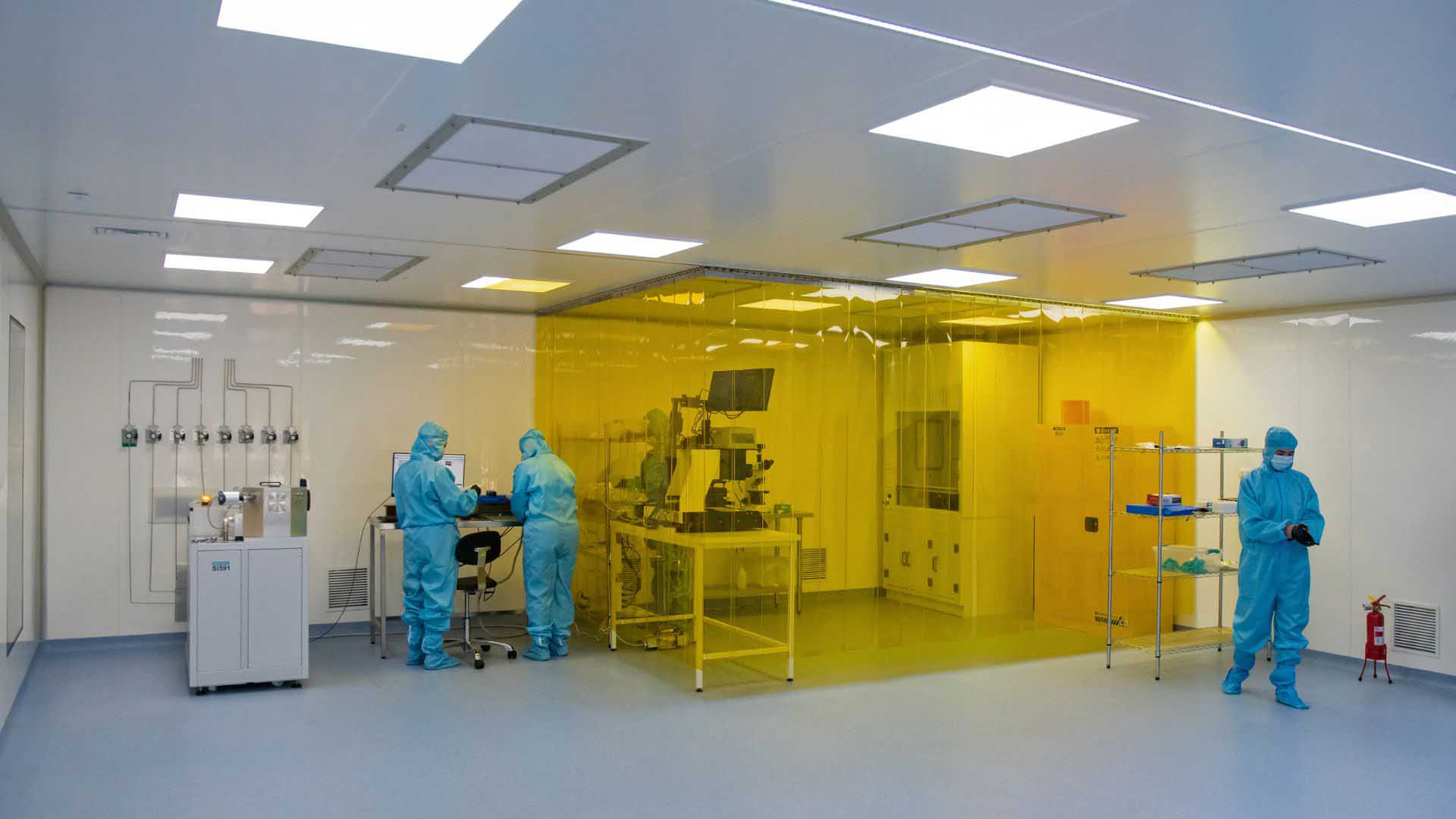
Clean room
This pioneering infrastructure in Latin America provides students—starting at the undergraduate level—with access cutting-edge technology and equipment for nano- and microfabrication of devices.
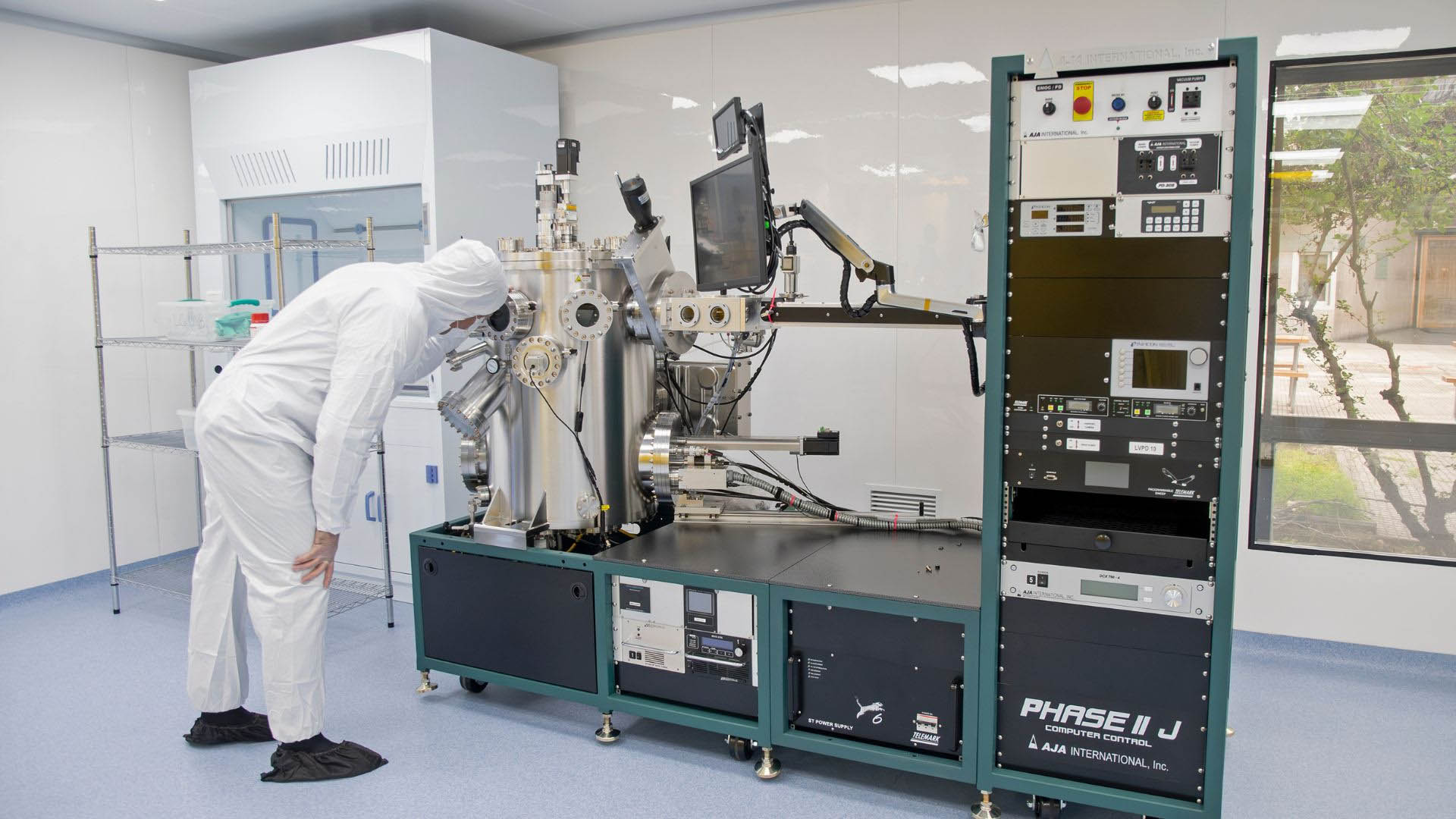
Sputtering
Sputtering is a physical vapor deposition (PVD) technique used to deposit thin films onto a substrate, so thin that their thickness can reach only a few tens of atoms. It involves bombarding a solid target with high-energy ions from a plasma. These ions, by transferring their kinetic energy, eject atoms from the target material. The ejected atoms travel in a vacuum chamber and are deposited onto the substrate, thus forming the thin film. This technique is widely used in electronics, coatings, and spintronic devices. Its advantages include good adhesion, scalability, and versatility in the materials that can be deposited.
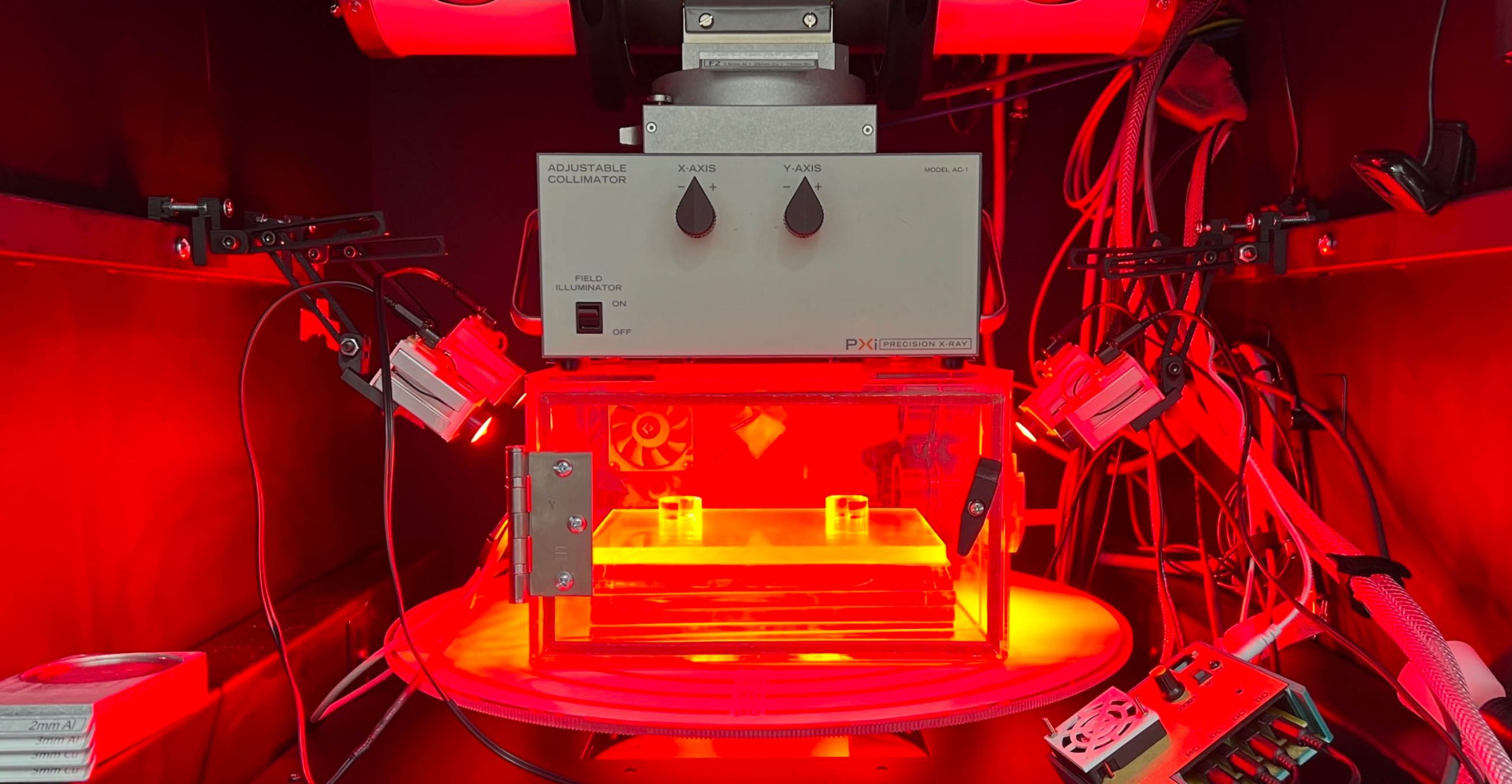
Preclinical irradiator
The XRAD-320 preclinical irradiator is a unique piece of equipment in the country that allows for cancer radiotherapy studies to be conducted under controlled laboratory conditions. Its presence articulates and strengthens several lines of research within the Medical Physics group: the study of combined therapies, such as radiotherapy with photodynamic therapy, and the use of nanotechnology and photosynthetic microorganisms as radiosensitizers; the investigation of the role of hypoxia in the tumor microenvironment and its impact on treatment response; and the development and validation of detectors and dosimetric techniques for ionizing radiation. In this way, the equipment constitutes a cross-cutting axis that connects radiation physics with experimental radiobiology and the search for innovative therapeutic strategies.
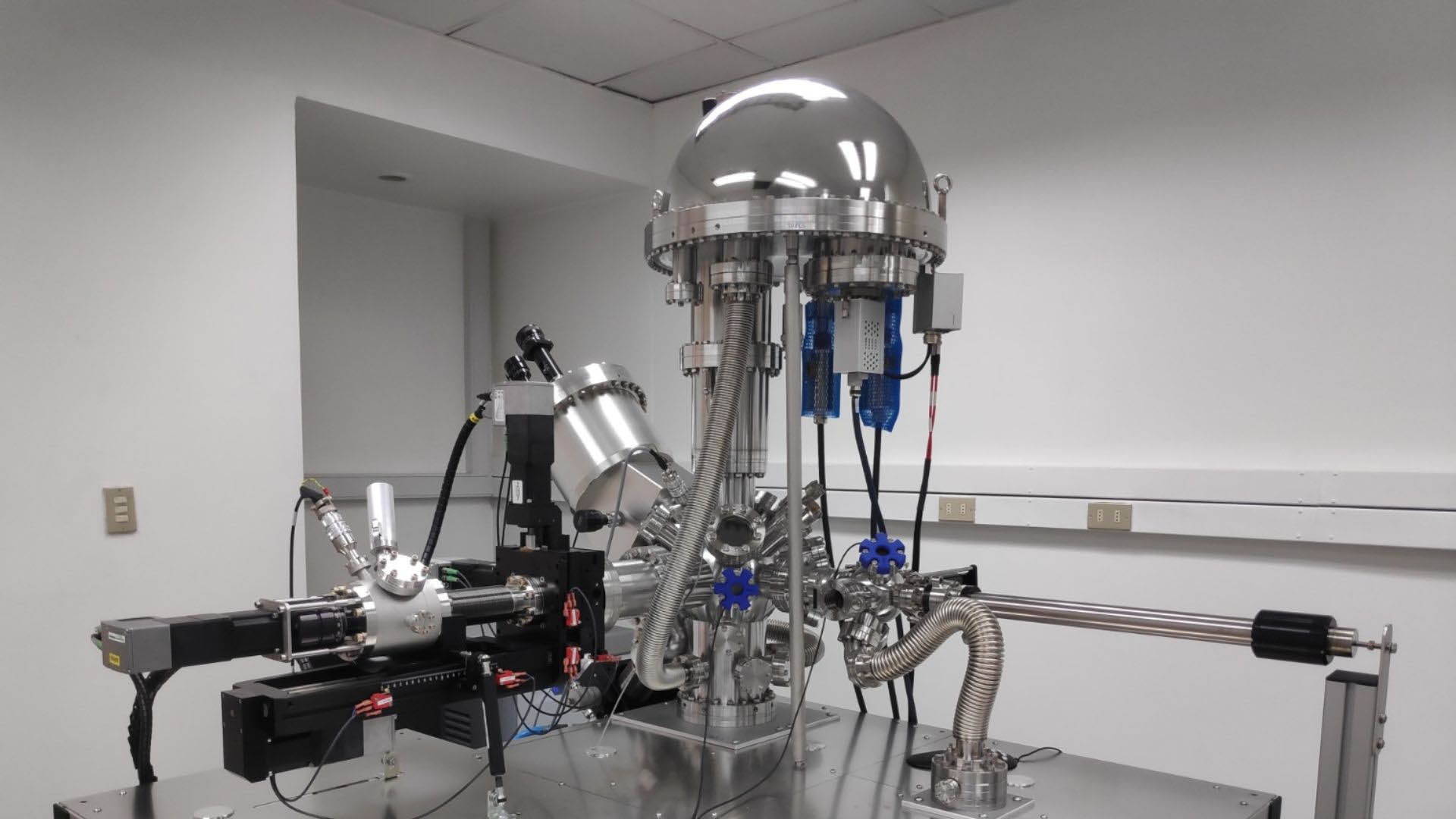
XPS spectrometer
The XPS spectrometer is an instrument that reveals the chemical elements present in the first few nanometers of a material and their chemical state. It is a key tool for studying oxidation, contamination, coatings, adhesion, and surface modifications, providing strategic information for advanced research, technological development, and quality control of high-value materials.
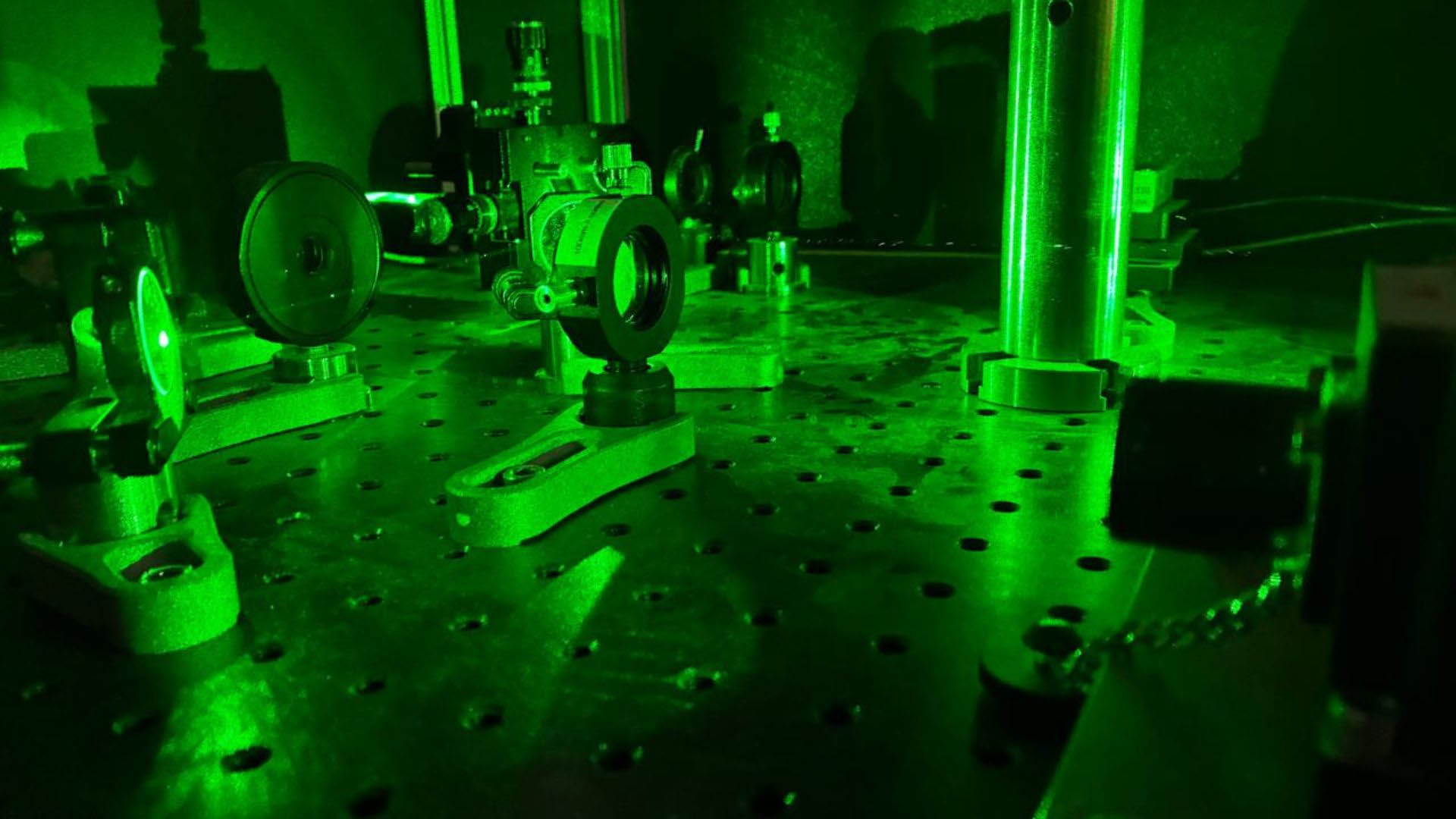
Optical Table
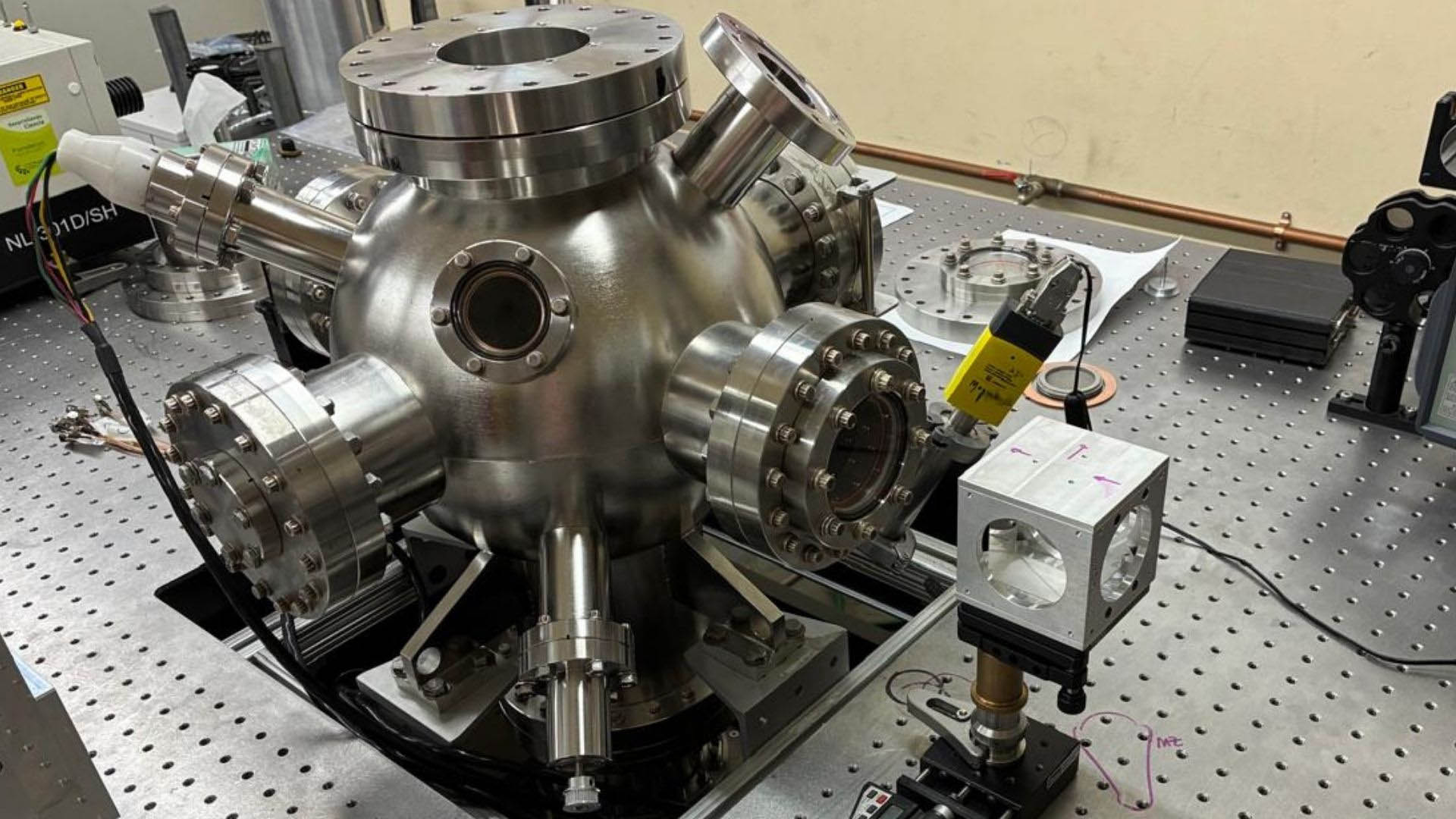
Plasma Optical Table
Optical table that has a vacuum chamber where laser-produced plasma experiments are performed for applications in materials science.
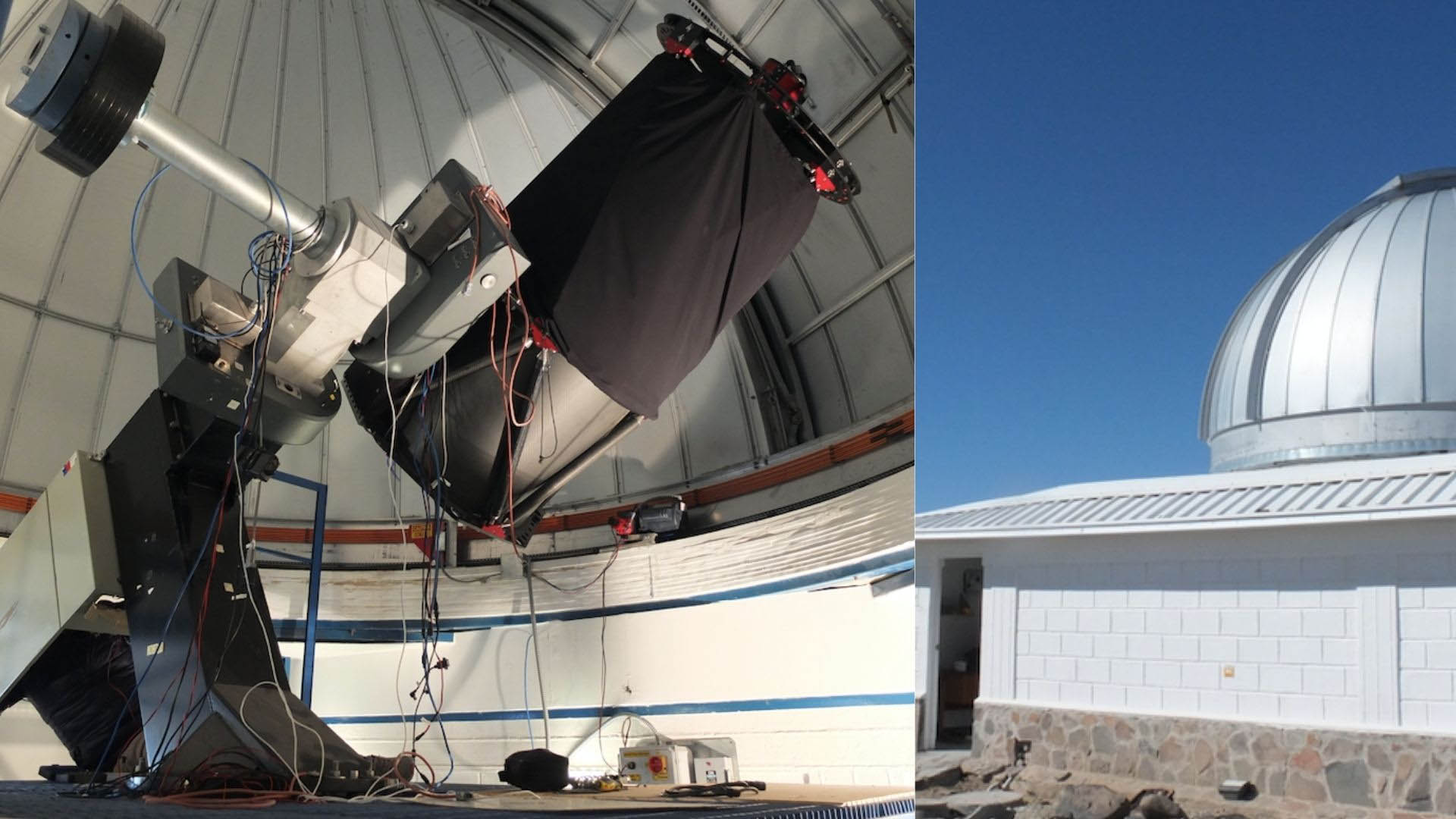
Chinchay telescope
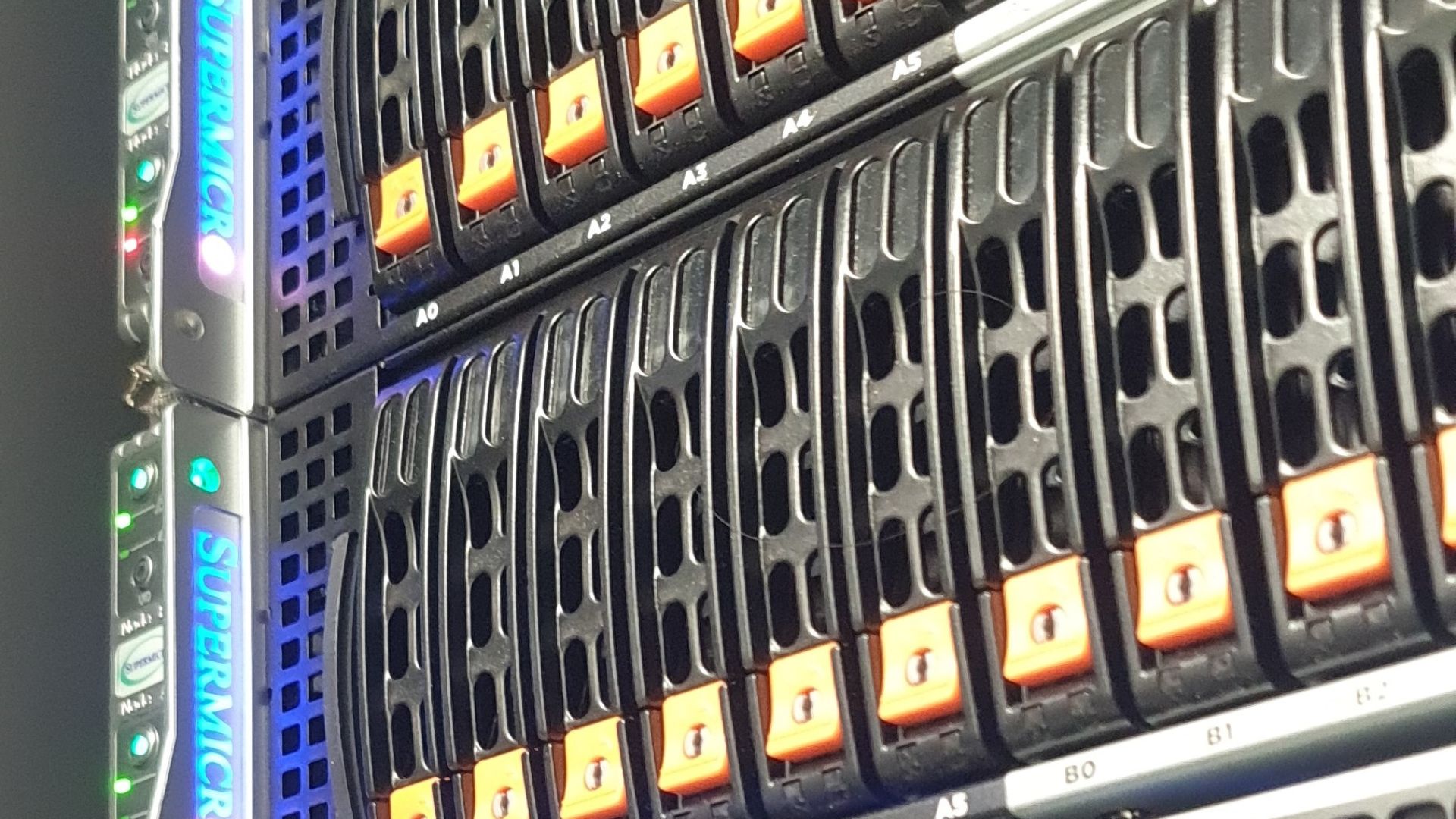
Geryon 3
Geryon 3 consists of 12 state-of-the-art Supermicro nodes in a twin configuration. Each node has two 32-core processors and 8 GB of memory per core. In total, the new Geryon 3 has 768 cores and 6.14 TB of memory, with a total theoretical computing capacity of 58 TFlops.
The servers are connected by a 10 Gbps Ethernet network and a Mellanox network with a maximum transfer capacity of 200 Gbps.
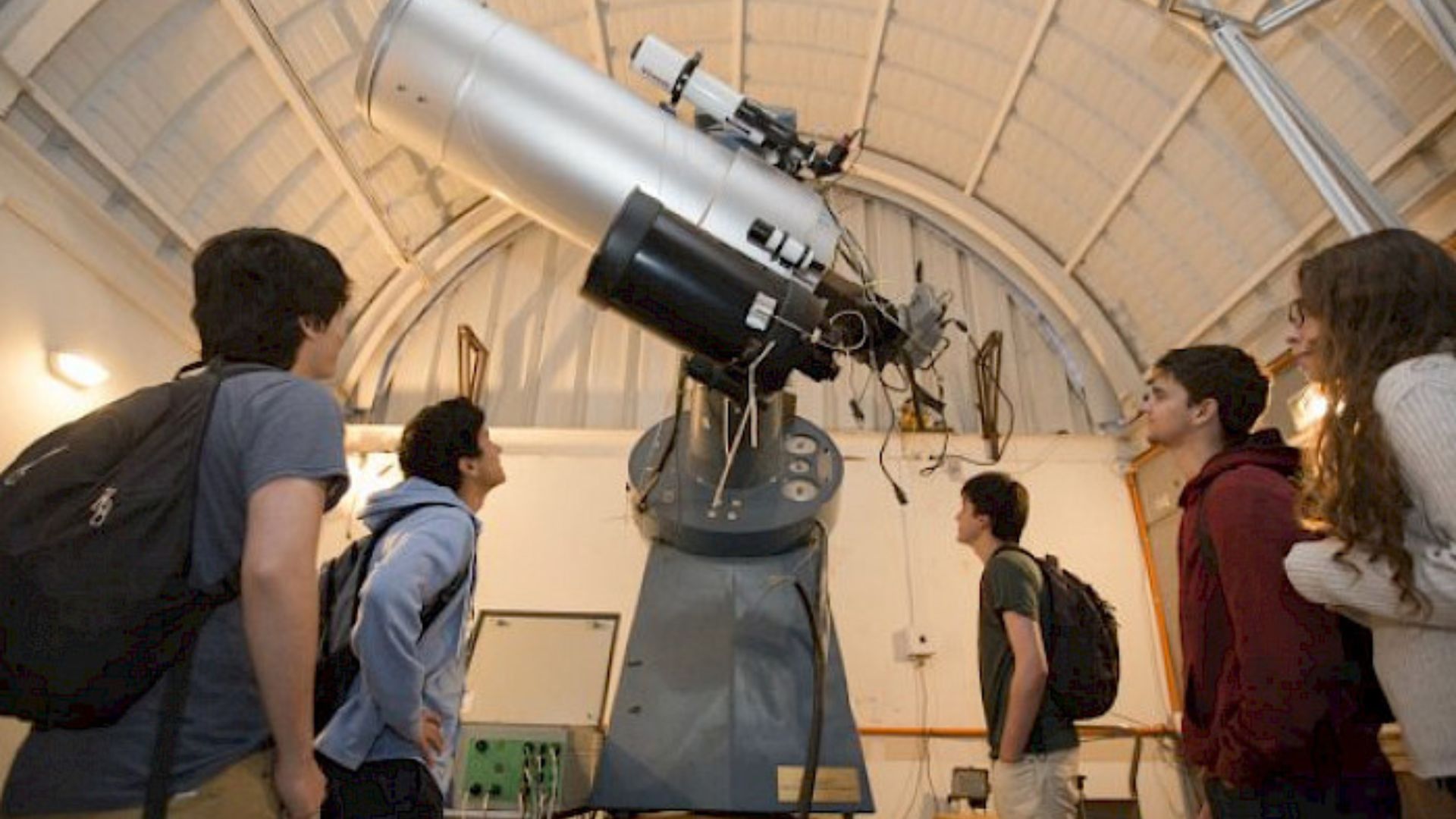
The Observatory of the Catholic University (OUC)
The OUC has a 50 cm telescope donated by the European Southern Observatory (ESO), another 40 cm telescope donated by the Cerro Tololo International Observatory, and two more acquired with funds from the Institute of Astrophysics and the support of the Catholic University.
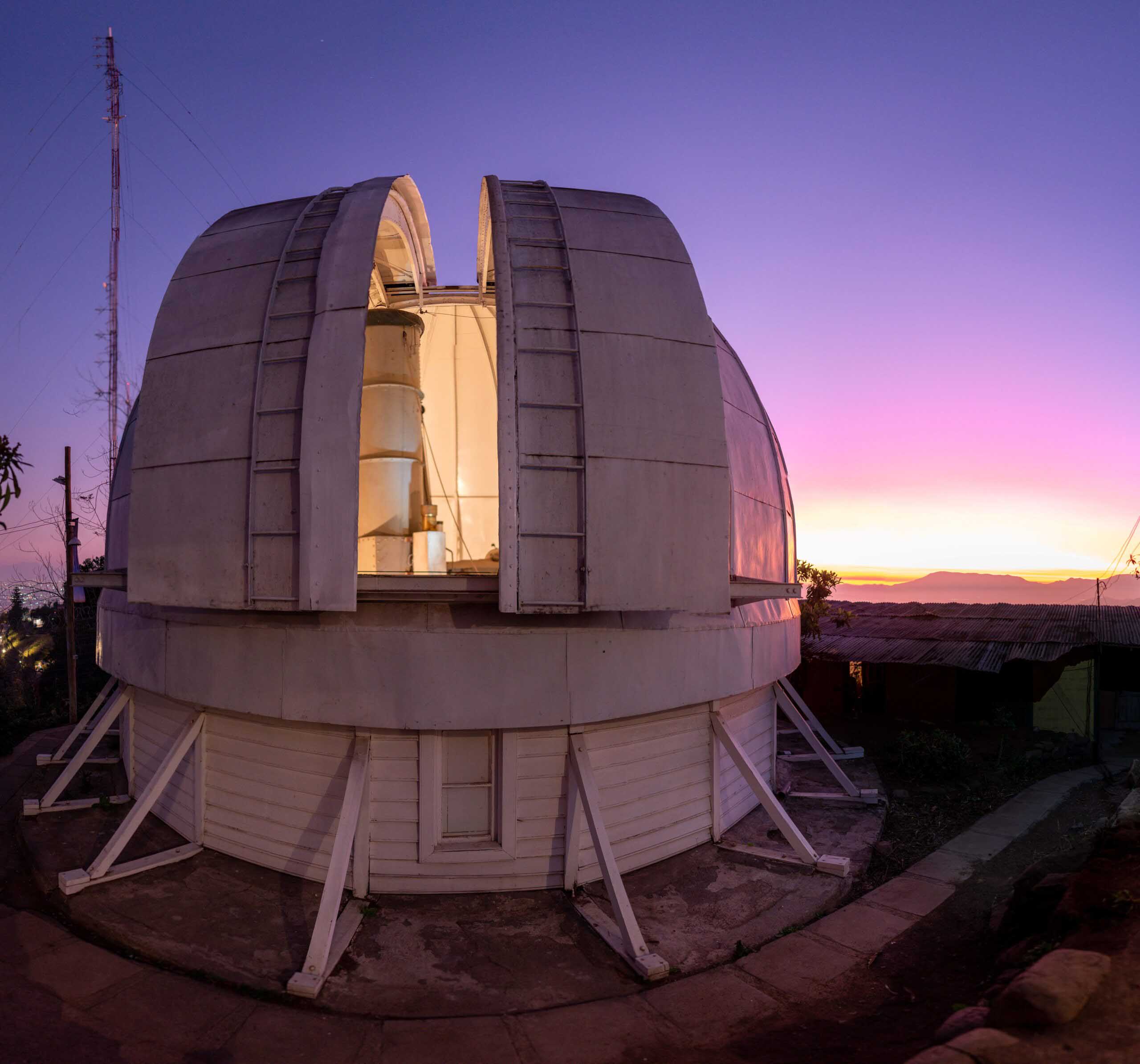
Foster Observatory
The Manuel Foster Observatory was the first building to occupy the summit of San Cristóbal Hill, the first international telescope built in Chile, and one of the oldest in the Southern Hemisphere. It played a key role in the beginnings of Chilean astrophysics thanks to its important astronomical observations. In 1928, it was donated to the Pontifical Catholic University of Chile, declared a National Monument in 2010, and since 2024 has been part of the Chilean Museum Network.
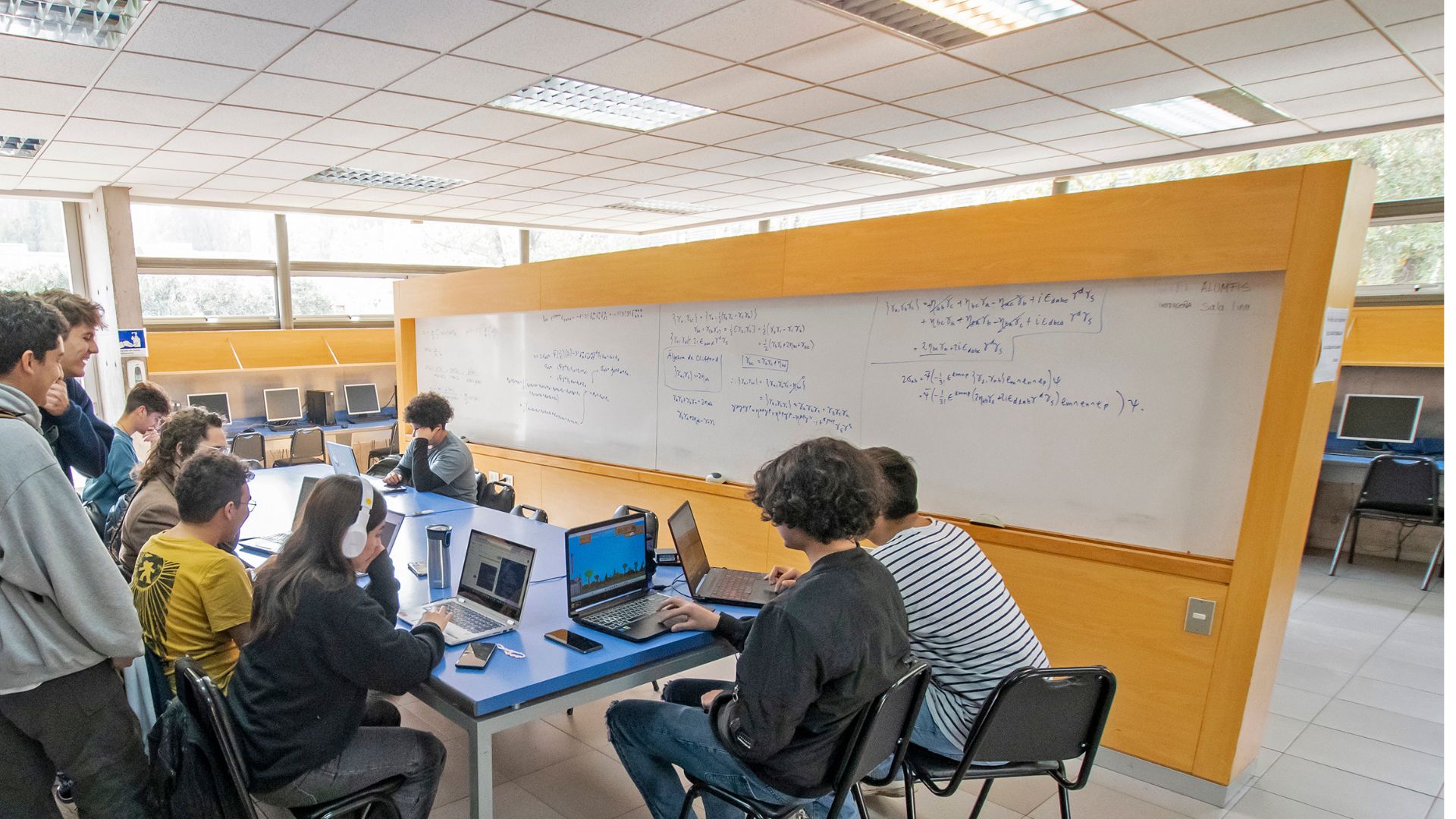
Linux lab
The Professor Carlos Rivera Cruchaga Study Room is reserved exclusively for the academic activities of undergraduate students in our Faculty. It offers spaces for group work, two silent study rooms, and workstations equipped with Linux-based computers.